
Unsigned Artist: How To Navigate The Music Industry
Published · Updated
- Business
- Music
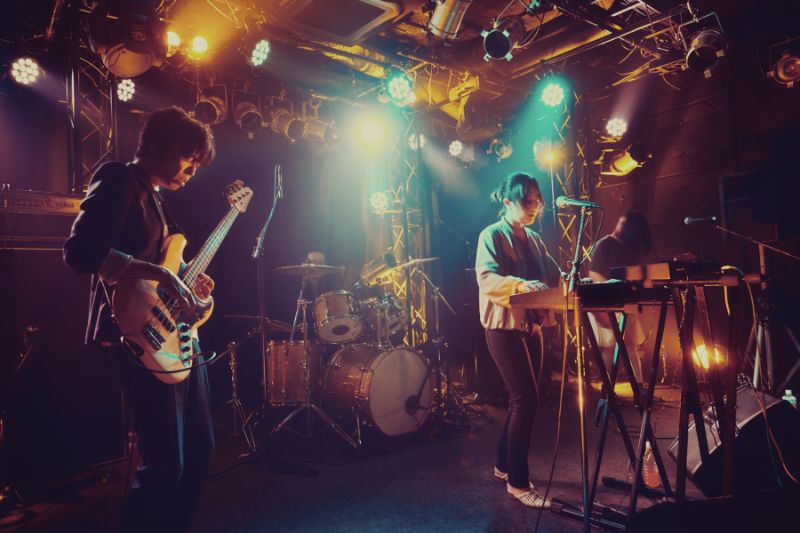
Every unsigned artist shares the same dream - they want to 'make it big' in the music industry.
That dream is not easy to achieve, especially if your goal is to get signed to a record deal.
But there's one important factor in the equation: You, the artist. In fact, the unsigned artists are the most important participants in the business.
How is that, you ask? Well, think about it.
How did every single big, well-known artist ever become such? How did they start? They started... that's right. As an unsigned artist.
And not every one of them chose to sign with a big label. Many today are actually choosing instead to take on the challenges of the music industry independently.
What Is an Unsigned Artist?
Defining an Unsigned Artist
The Rise of Independent Musicians

Access To Technology
Creative Control


Financial Considerations
The rise of independent musicians has also led to a shift in the traditional music industry.
As more artists remain unsigned, record labels must adapt their strategies to stay competitive. This means that unsigned artists have more opportunities to forge their own successful careers, and it can be said that the future of independent music remains bright.
The Music Industry Landscape
Record Labels vs. Independent Paths
The music industry has evolved significantly in recent years, with artists now having more options in terms of how they can distribute and promote their music.
Traditionally, record labels played a crucial role in an artist's success by providing financial support, production resources, and access to industry professionals. However, these deals often required artists to relinquish control over their music, including the rights to their masters and distribution decisions.
Now, unsigned artists have more opportunities to forge their own path independently, thanks in part to digital platforms, technological advancements, and social media. Independent artists can now distribute their music through digital platforms and even collaborate with music publishers without the need for a record label's involvement.
Although record labels still dominate a significant share of global recording sales, the shift towards self-promotion and self-distribution has empowered artists and expanded their possibilities.
Impact of Social Media on New Music
Social media has undoubtedly played a vital role in reshaping the music landscape for unsigned artists. These platforms have provided artists with tools to connect directly with their target audience, build an online presence, and promote their music without relying solely on traditional channels.
Some key impacts of social media on new music include:
- Discoverability: Social media platforms like YouTube, SoundCloud, and TikTok enable artists to upload and share their music with millions of users worldwide, increasing the chances of their music being discovered. Keep in mind that fans are always looking for new music!
- Fan Engagement: Artists can build a closer relationship with their fans, update them with news, and engage with them through comments, likes, and shares. This connection fosters a loyal fan base and creates a community around the artist.
- Collaborations: Social media has made it easier for artists to collaborate with other musicians and industry professionals, helping them expand their networks, enhance their music, and reach new audiences.
- Data-driven marketing: Artists can leverage social media insights and analytics to understand their audience better and tailor their marketing efforts accordingly.
Despite the challenges that unsigned artists may face in navigating the modern music industry, social media has provided them with new ways to promote their music and connect with their fans. By taking advantage of these tools and platforms, artists can create their path and achieve success while retaining control over their music and brand.
Career Development Strategies
Building a Press Kit
As an unsigned artist, you must create a press kit as a crucial first step in your career development.
A press kit is a professional package containing essential information about the artist, including their music, biography, images, and press coverage. It serves as a resume and should be sent to industry professionals such as PR firms, booking agents, and radio pluggers. A compelling press kit consists of the following items:
- A biography: Write a concise, well-crafted biography that tells your story and highlights your achievements.
- Music samples: Provide high-quality audio files or streaming links to your best tracks.
- Photos: Include professional, high-resolution images that represent your style and image as an artist.
- Press coverage: Include any press or reviews highlighting your music and accomplishments if available.
- Contact information: Ensure you have up-to-date contact details for inquiries and bookings.
Leveraging Social Media
Unsigned artists must harness the power of social media to engage with fans, share their music, and network with industry professionals. Some essential steps you should take to maximize your social media presence are:
Create and maintain profiles on popular platforms such as Facebook, Instagram, Twitter, and YouTube.
Post regular updates, including behind-the-scenes content, to keep fans engaged and interested in your journey.
Use tools like Facebook Ads or Instagram Promotions to create targeted advertisements for increased visibility.

Collaborate with other artists by tagging, commenting, and sharing their content to build connections and expose your music to their audience.
Consider also using newer platforms like TikTok or Clubhouse to showcase your music and engage with other creators.
Connecting with Industry Professionals
To advance your career, you must actively connect with industry professionals. Networking plays a vital role in getting noticed and finding potential collaborators, such as fellow musicians, PR firms, booking agents, and radio pluggers. As an unsigned artist, you can make these connections through the following strategies:
- Attend music conferences, workshops, and industry events to meet professionals and learn about the latest trends.
- Leverage your personal network of good friends who may have connections within the music industry.
- Send your well-prepared press kit to PR firms, booking agents, and radio stations to promote your music.
- Participate in online music communities and forums to learn from others and develop connections.
By employing these career development strategies, you can increase your visibility, gain credibility, and make valuable connections within the music industry.
Promotion and Exposure
Entering Music Competitions
Unsigned artists can gain significant exposure by participating in competitions like the Unsigned Only Music Competition.
These competitions often seek great music and original songs from independent musicians, providing a platform to showcase their talents to a wider audience. The winners receive recognition and benefit from networking opportunities, cash prizes, and guidance from industry professionals. Participating in such competitions can boost an artist's career and provide valuable feedback on their work.
Music Distribution Platforms
In today's digital age, unsigned artists have various music distribution platforms, such as Spotify, Apple Music, and SoundCloud, at their disposal. These platforms help artists make their music accessible to a global audience. Additionally, utilizing social media channels like Facebook, Twitter, and Instagram can greatly assist in promoting an artist's work and engaging with their listeners.
Here is a list of some popular music distribution platforms:
- Spotify
- Apple Music
- SoundCloud
- Bandcamp
- Deezer
- Tidal
It is crucial for unsigned artists to create and maintain a strong online presence through these platforms, as it increases visibility and creates opportunities for gaining new fans, networking, getting in front of key music industry players, and monetizing your music.
Engaging with Local Music Scenes
One of the most effective ways to promote music and grow as an artist is by engaging with the local music scene.
You should attend local gigs and open mic nights and collaborate with other musicians in their area. Establishing connections with local music venues, promoters, and radio stations can lead to more performance opportunities and airplay for their work.
By consistently performing live and actively participating in your local music community, you increase your chances of being noticed and building a dedicated fan base.
Monetization and Revenue
In today's music industry, unsigned artists have various opportunities to generate income and monetize their talents.
Securing Equipment Endorsements
Equipment endorsements are an important revenue stream for unsigned artists. Companies that manufacture musical instruments, audio gear, and software often seek out promising artists to endorse their products.
In exchange for the artist's promotion and usage of the equipment, the manufacturer provides free or discounted gear and financial support.
To secure an equipment endorsement deal, you should:
Develop a unique and marketable sound.
Establish a fanbase.
Network within the industry.
Participate in competitions.
Merchandising and Brand Deals
Merchandising and brand deals are another key monetization strategy for unsigned artists. As an unsigned artist, selling merchandise such as t-shirts, posters, and collectible items can significantly impact your revenue.
In order to successfully monetize through merchandising and brand deals, you should:
- Create unique and high-quality merchandise: Investing in visually appealing designs that resonate with fans will result in better sales.
- Collaborate with established brands: Partnering with popular brands can amplify sales and promotion, giving unsigned artists access to a wider audience.
- Utilize online marketplaces: Online platforms provide a user-friendly way for unsigned artists to sell their merchandise, with minimal overhead and no brick-and-mortar costs.
- Promote merch on social media: Promoting merchandise through social media platforms can cultivate fan engagement and drive direct sales.
As an unsigned artist, you are an essential part of the music industry, and by implementing these strategies, you can monetize your talents and grow your career with confidence and clarity.
Legal and Privacy Considerations
Understanding Record Deals
It's essential to understand the legal implications of record deals.
A record deal is an agreement between an artist and a record label, outlining the rights and responsibilities of both parties. These contracts involve various revenue streams, marketing support, and distribution rights.
Important: You should always consult an attorney before signing any deal!
Some common aspects to consider in a record deal are:
- Royalties: This refers to the percentage of revenue that the artist receives for sales and streams of their music.
- Advances: A sum of money provided by the label to the artist upfront, which can be used for recording costs and living expenses. It is important to note that advances are typically recouped by the label from future royalties.
- Ownership of masters: A crucial consideration is who retains the rights to the master recordings of the artist's music. Many labels seek to control these rights, making it essential for artists to negotiate to maintain ownership.
By thoroughly examining the terms of a record deal, you can better understand and protect their interests.
Navigating Privacy Policies
Establishing an online presence is crucial for unsigned artists, but it’s important to consider your privacy.
Updating or creating a privacy policy in accordance with online platforms' requirements is an important step toward protecting your personal information.
Here are some key elements to consider when reviewing a privacy policy:
- Data collection: What information is collected, and how is it used? This may include name, email address, and location for newsletter subscriptions or analytics data to improve website functionality.
- Data sharing: Does the platform or service share information with third parties? Artists must read and understand this section to ensure their information is not being sold or shared without consent.
- Security measures: Platforms should detail the security measures to protect the artist's data, such as encryption or secure servers.
- Account management: How can users access, modify, or delete personal information? Artists should be aware of the procedures for managing their accounts, including recovering a forgot account or creating a new account.
Emerging Technologies in Music Promotion
Technological advancements have always influenced the music industry, and recent years have been no exception.
Unsigned artists, in particular, have been able to capitalize on these developments to increase their visibility and market their music effectively.
One such technology that has gained prominence in recent years is QR codes.
The Role of QR Codes in Music Marketing
A QR code, short for Quick Response code, are two-dimensional barcodes that, when scanned, direct users to various online content, like websites, apps, or multimedia files.
By incorporating QR codes into your marketing strategies, you can take advantage of these codes' convenience and ease of use.
Here are some ways unsigned artists can utilize QR codes to promote their music:
Increase social media followers:
Embed music samples or videos:
Event promotion and ticket sales:
Collect email addresses for newsletters:
Connecting with Fans
Creating Engaging Music Videos
You should prioritize creating engaging and visually appealing music videos to make a splash in the music world.
Today's audiences are drawn to good songs paired with equally captivating visuals, making music videos an essential tool for promotion.
A well-produced music video can capture the attention of potential fans, enticing them to listen to more songs from the artist.
While high production values are important, unsigned artists can still impact with a smaller budget by focusing on creative storytelling and visual aesthetics. You can even use AI to generate a music video for you!
Remember, a successful music video doesn't necessarily require a Hollywood-level budget— fans are often attracted to authenticity and creativity.
Utilizing Fan Engagement Platforms
Harnessing the power of social media for fan engagement is crucial.
Platforms like Facebook, Instagram, Twitter, TikTok, and YouTube are excellent resources for connecting with fans, sharing updates, and showcasing behind-the-scenes content. By regularly posting on these platforms, you can build relationships with your audience and create loyal followers.
In addition to standard social media channels, there are dedicated fan engagement platforms designed specifically for artists, such as Pefoma and LoudUp. These platforms enable unsigned artists to monetize their content and gain exposure while providing fans a unique space to discover new music and connect with their favorite artists.
| Platform | Description |
|---|---|
| Pefoma | A hybrid social/streaming app for unsigned artists to monetize their content and gain exposure. |
| LoudUp | A music social network for music lovers, artists, bands, and musicians to connect and share music. |
Building a Loyal Fan Base
Forming a solid fanbase is crucial to long-term success. Cultivating a loyal group of listeners who continue supporting your creative endeavors is vital for exposure and sustainability.
You should focus on fostering meaningful connections by actively engaging with fans, whether through responding to comments or sharing personalized content.
One proven technique is building a consistent content strategy that includes sharing regular updates, exclusive behind-the-scenes looks, and snippets of upcoming music. By maintaining an open line of communication, you can build a dedicated fan base who feel personally connected to you and eagerly anticipate new releases.
Professional Growth
Expanding Networks
Unsigned artists often start from humble beginnings with limited resources and connections.
To foster professional growth, it's essential for you to expand your networks. One key approach is collaborating with other artists and industry professionals in the United States and internationally. Such collaborations give you a chance to learn from others, gain exposure, and ultimately improve your craft.
Building a strong network can take different forms, such as:
- Regularly attending industry events, workshops and seminars
- Engaging in online communities and forums devoted to unsigned artists
- Connecting with professionals in the industry on social media platforms
Maintaining good relationships with friends and fellow artists in the music community is also invaluable, as they may introduce you to valuable contacts you might not meet otherwise.
Continuous Improvement and Feedback
Progress in an artist's career relies on continuous improvement and learning from feedback.
You should strive to enhance your skills and techniques on a weekly basis. This can involve:
- Studying the works of established artists to learn different styles and techniques
- Receiving feedback from music professionals, such as producers, sound engineers, and managers
- Regularly recording and refining their music
To track and document progress, you might consider:
- Creating a portfolio of their work, including demos, live recordings, and promotional materials
- Maintaining an updated online presence that showcases their achievements and latest works
By emphasizing professional growth through expanding you networks and focusing on continuous improvement, you can eventually achieve the recognition and success you seek in your career.
Conclusion
This career choice is not for the faint-hearted. As an unsigned artist in the music industry, your path forward is both challenging and rewarding, offering unique opportunities for creative freedom and entrepreneurial growth.
By leveraging the power of digital platforms, social media, and innovative marketing tools, you can carve out your own path to success.
Collaborating with a PR firm, creating engaging content, and participating in music competitions are vital steps in building a strong brand and dedicated fan base.
As the landscape of the music industry continues to evolve, unsigned artists, much like their favorite artists before them, stand at the forefront of this change, redefining what it means to be successful in the world of music.
Even your favourite artists were once unsigned.
Reaching success is mostly down to your mindset and willingness to work hard.