
Owner's Guide: How Often Should You Tune a Piano?
Published · Updated
- Music
- Musical Instruments

An acoustic piano needs regular maintenance to continue producing beautiful music for a long time.
So how often should you tune a piano? It depends on the instrument's age, the environment it’s kept in, and how often it’s played.
It’s a good idea to have your piano tuned by a qualified piano tuner regularly. Proper maintenance ensures the piano won't go out of tune.
How Often Should You Tune a Piano: Factors Affecting the Tuning Frequency
The frequency of tuning your piano depends on various factors, including age, environment, and how often it's played.
It's also important to understand why proper attention to humidity levels, temperature fluctuations, and other environmental factors can play a significant role in ensuring the longevity of your piano and maintaining its beautiful sound.
The Importance of Regular Tunings
One of the most important aspects of piano care is ensuring regular tunings. As stringed instruments, pianos are subject to changes in string tension, which can affect their pitch and overall sound.
The tension of each string is crucial for maintaining the correct pitch. It may change as piano strings stretch over time or are affected by environmental factors. Regular piano tunings help maintain the proper tension of the strings and ensure the piano produces a beautiful sound.
Whether you play professionally or are an up-and-coming musician, keeping your piano in tune is important.
Humidity and Temperature Effects
Humidity levels and temperature fluctuations are the primary reasons behind the need for frequent tuning. High humidity can cause the wooden components of a piano to swell, affecting the tension of the strings and, ultimately, the piano’s pitch.
Low humidity can cause the wood to contract, leading to similar issues. High temperatures can also impact the tuning stability of a piano.
It’s essential to keep your piano away from direct sunlight and use a humidity control system to minimize the effects of humidity changes on your instrument.
New Pianos and Tuning Frequency
The tuning frequency during the first year is typically higher for a brand new piano than for an older piano. This is because new strings stretch more and take time to settle.
Piano manufacturers like Steinway & Sons and Baldwin Piano Company often recommend four tunings during the first year, followed by regular maintenance every six months or as needed.
Effects of Moving a Piano
If you’ve recently moved your piano to a new location or environment, it’s a good idea to have it tuned. Changes in temperature and humidity can significantly impact a piano’s pitch, and even minor shifts during transportation can affect the tension of the strings.
It’s recommended to wait a few weeks after moving for the piano to acclimate to its new environment before having it tuned by a qualified piano tuner.
Frequency of Use and Tuning Needs
Frequent use plays a significant role in determining how often a piano should be tuned.
If you’re a professional pianist or piano teacher who plays daily, it’s best to have your piano tuned every three to four months. All acoustic pianos require regular tuning, whether you're playing a high end Steinway or a Wurlitzer.
Home pianos played less frequently may only require tuning once or twice a year. Ultimately, the best way to determine the right tuning frequency for your piano is to consult a qualified piano technician and assess your instrument’s needs.
Choosing the Right Piano Tuner
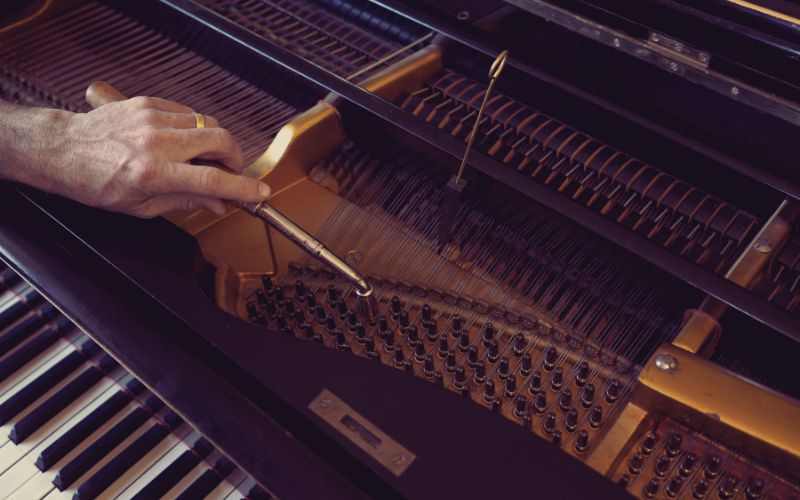
Selecting a qualified piano tuner is essential for properly caring for and maintaining your instrument. When searching for a professional tuner, it’s a good idea to ask for recommendations from fellow piano owners, teachers, or music stores.
You can also search for online piano tuner reviews and credentials, such as membership in a professional organization like the Piano Technicians Guild. Once you’ve narrowed down your options, you must communicate your piano’s specific needs and your expectations for tuning and maintenance.
Cost Considerations
Piano tuning prices can vary depending on your location, the tuner’s experience, and the complexity of your instrument.
A standard piano tuning can range from $100 to $200 on average.
Keep in mind that investing in regular tunings by a qualified technician can save you money in the long run by preventing more significant issues and preserving the longevity of your piano.
Frequently Asked Questions
How often should I tune my piano during its first year?
How does humidity affect my piano’s tuning?
I’m planning on buying a piano, how much are they and does the piano come already tuned?
What’s the best way to maintain a stable environment for my piano?
Can I tune my own piano?
How often should I tune my piano if it’s not played frequently?
How often should I tune my piano if it’s used in my home studio?
How do I know if my piano needs more than a tuning?
What is the standard pitch for a piano?
How can I tell if my piano is out of tune?
Does a digital piano require tuning?
I have an upright piano. Is it expensive to get it tuned?
Conclusion
Maintaining and tuning your piano is crucial in preserving its beautiful sound and longevity. As a piano owner, it’s essential to understand the importance of regular tunings, the impact of environmental factors, and the value of hiring a qualified piano tuner.
By properly caring for your piano and tuning it according to its needs and use, you ensure it remains in good working order for many years.
Remember, investing in regular maintenance and tuning benefits the piano’s pitch and contributes to its overall performance and enjoyment.